
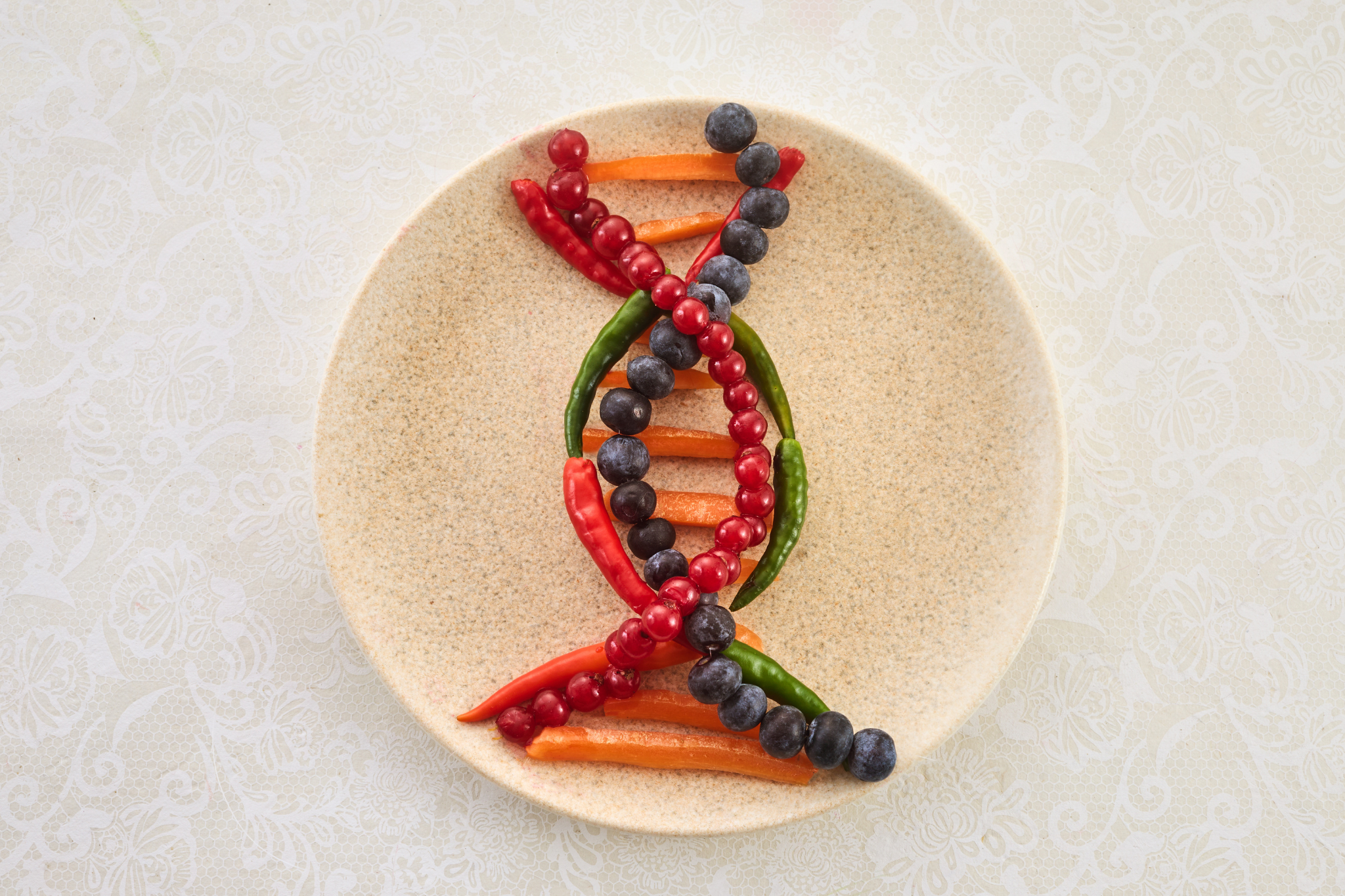
Your Genetic Blueprint: Exploring Nutrition Through Genetics
Ever wonder why a diet that works for your friend leaves you feeling sluggish? The answer may be written in your DNA. Genetic differences can play a role in how individuals respond to nutrition, lifestyle choices, and certain food preferences. MAGISNAT’s Nutrition and Absorption Insights Report explores 25 genetic markers, known as single nucleotide polymorphisms (SNPs), that have been studied in relation to biological pathways associated with food preferences and the metabolism of vitamins, minerals, carbohydrates, and lipids.
This DNA wellness report can help shed some light on how your body may respond to certain nutrients. By understanding your genetic tendencies, you will be better equipped to recognize factors that may influence your wellness and support a more personalized, genetics-informed approach to nutrition.*
The Vitamin Delivery Service
Think of your body’s vitamin metabolism as a high-tech logistics hub. What you eat is important, but your DNA may influence how your body absorbs, transports, activates, and uses vitamins. This DNA wellness report can provide insights into your genetic tendencies regarding how your body may process these nutrients.*
Vitamin metabolism is not only about how much of a vitamin you consume. It is also about how efficiently your body converts, carries, and responds to that vitamin. Because of your unique genes, your body may process certain nutrients more efficiently than others, which can affect everything from normal functions like energy metabolism, immune support, and skin function, to nervous system wellness.
After a brief explanation of the important role the following vitamins play in supporting everyday wellness, a few examples will serve to highlight how MAGISNAT’s wellness report results may serve to provide your healthcare professional with insights to help advise you on your nutrition and supplementation journey based on your genetic profile.
- Vitamin A: The Protector
Vitamin A supports normal vision, immune function, growth, development, and tissue maintenance. Retinol, the ready-to-go version found in animal foods like eggs or dairy, is already unpacked and ready for your body to use immediately. Beta-Carotene, the assembly required version found in plants like carrots, sweet potatoes, and leafy greens, is like a DIY kit. Your body must convert it into active vitamin A before it can be used.
- Vitamin B9: The Builder
Vitamin B9, also known as folate, contributes to normal cell division, growth, and development. It is also involved in processes connected with DNA synthesis and normal cell renewal. Folate is involved in a process called methylation, a normal biochemical system that helps support cell function and DNA-related activity.
You’ll find folate in nature’s greenest foods like spinach and kale, as well as in beans and citrus fruits. You might also see it labeled as folic acid in cereal or bread – a version added to fortified foods to help everyone get a baseline amount of this essential nutrient.
- Vitamin B12: The Spark Plug
Vitamin B12 contributes to the formation of red blood cells which carry oxygen throughout your body, DNA synthesis, and nervous system function. It also helps maintain myelin, the protective coating around nerves, which allows the brain’s messages to travel rapidly. Vitamin B12 supports normal processes related to energy metabolism and nerve function.
You’ll find B12 in foods like meat, fish, eggs, milk, cheese, and yogurt.
- Vitamin C: The Bodyguard
Vitamin C, your personal bodyguard, is a world-class antioxidant patrolling your system to neutralize free radicals, the pesky molecules that cause cellular wear and tear. Vitamin C helps recharge other antioxidants in your body, keeping your defense team at full strength.
In your gut, Vitamin C assists with the body’s natural absorption of iron from plant-based foods. It supports energy by playing a role in your metabolism, turning fuel into energy. As the repair crew, Vitamin C is essential for building collagen which helps keep your skin, joints, and tissues strong.
For a daily dose of Vitamin C, focus on fresh, colorful fruits and vegetables like oranges, lemons, kiwi, strawberries, blueberries, guava, papaya, bell peppers – especially red and yellow, broccoli, cauliflower, Brussels sprouts, kale, and tomatoes.
- Vitamin D: The Sunshine Superhero
Vitamin D supports normal bone health, immune function, muscle function, calcium absorption, and cell growth. The body produces vitamin D through sunlight exposure. You can also find it in fatty fish like salmon, egg yolks, and in fortified foods like milk or cereal.
- Vitamin E: The Armor
Vitamin E, a fat-soluble vitamin, helps protect cells from oxidative stress. It also supports normal growth, development, nervous system function, and immune function. Because vitamin E is fat soluble, the way the body handles fats can influence how this nutrient is absorbed and used.
Healthy fats are a good source of Vitamin E. You’ll find it in almonds, sunflower seeds, and hazelnuts. Liquid gold in the form of vegetable oils like sunflower or wheat germ oil are another great source. Also carrying a helpful dose are leafy greens like spinach and broccoli.
- Choline: The Conductor
Sometimes called vitamin J, choline acts like the body’s orchestra conductor. Its main job is building acetylcholine, the chemical messenger that tells your muscles to move, your heart to beat, and your brain to focus. Whether you’re lifting weights or cramming for a presentation, choline keeps the communication lines open.
Choline helps build the structural walls or membranes that keep cells strong. It aids in transporting fats out of the liver, keeping it clean and healthy. Finally, it’s a key player in how you learn new things and remember where you put your keys.
The body makes some choline, but you must get the rest from your plate. It’s found in eggs – specifically the yolks, lean meats and fish, and in beans, peas, and broccoli.
Examples – Vitamin Metabolism Insights
Let’s look at two impactful examples to illustrate how your DNA may influence your daily vitamin needs.
Gene: BCO1
The BCO1 gene helps produce an enzyme that converts beta-carotene from plant foods into a usable form of vitamin A. Some forms of vitamin A come directly from animal based foods, while plant foods provide beta-carotene which the body needs to convert before it can be used. The efficiency of this conversion process varies from person to person. Therefore, some may not receive the same vitamin A benefit from beta carotene-rich foods as others. This is one reason nutrient needs can vary between individuals.*
Gene: MTHFR
The MTHFR gene is involved in processing folate, or vitamin B9, into its biologically active form, which helps support normal cellular and metabolic functions. Variation in the MTHFR gene may provide insight into how efficiently the body manages the metabolism of folate. This is important for many biochemical processes which in turn support cellular functions.*
The Elemental Foundation: Minerals
Minerals are the hardware of your biology: the steel in your bones, the electricity in your nerves, and the gears of your enzymes. Mineral metabolism includes the absorption, transport, use, and storage of essential minerals.
This DNA wellness report may help you better understand how your body may manage important minerals as part of general wellness. As such, it can help support a more personalized discussion about mineral intake and monitoring with a qualified healthcare professional.
- Iron: The Oxygen Courier
Iron supports normal oxygen transport and plays a role in enzyme function, hormone production, and connective tissue formation. The body carefully regulates iron. Both low and high iron levels can impact how you feel day to day. Maintaining a healthy iron balance is important for overall wellbeing.
The heme iron found in animal products like red meat, shellfish, and poultry is easier for the body to absorb. Plant-based non-heme iron is found in spinach, lentils, beans, fortified cereals, and pumpkin seeds.
Example – Iron Metabolism Insights
Gene: TMPRSS6
The TMPRSS6 gene is involved in biological pathways related to hepcidin, a hormone associated with iron homeostasis in the body. Hepcidin plays a role in how iron is processed and stored, while ferritin is a biomarker associated with iron storage. Iron intake is only one factor in overall wellness and normal energy, as the body’s natural regulation of iron also contributes.*
The Energy Grid: Carbohydrate Metabolism
Carbohydrate metabolism includes the breakdown, use, and storage of sugars in the body. Carbohydrates are converted into glucose, which can be used for energy or stored for later.
Carbohydrates provide quick fuel powering your body’s electrical grid, broken into glucose for immediate energy. Insulin moves glucose into cells or storage, while glucagon releases stored glucose when levels dip. When this balance is off, energy highs and lows may occur.
Example – Carbohydrate Metabolism Insights
Gene: SLC30A8
The SLC30A8 gene encodes zinc transporter 8, a protein found mainly in pancreatic beta cells that plays a role in zinc balance and in biological processes related to insulin storage and secretion. Insulin is an important hormone involved in regulating how the body uses and stores glucose obtained from carbohydrates. Genetic differences in SLC30A8 have been studied in relation to variation in fasting glucose levels, which may help provide insight into individual glucose-related metabolic profiles.*
The Long-Term Energy Bank: Lipid Metabolism
Lipids, or fats, are your body’s long-term energy bank. They are also essential for cell membranes, signaling molecules, and the transport of fat-soluble compounds.
Example – Lipid Metabolism Insights
Gene: FADS1
The FADS1 gene is involved in producing an enzyme that helps process polyunsaturated omega-3 and omega-6 fatty acids. During lipid metabolism the body processes dietary fats converting them into forms used in normal cellular and metabolic functions. The body converts and balances different types of consumed fats for normal biological activity. Genetic differences in FADS1 have been studied in relation to variation in fatty acid processing efficiency among individuals.*
The Flavor Filter: Food Preferences
Your likes and dislikes are not just opinions. They are part of a biological conversation between your tongue, gut, metabolism, and genetic background. Your DNA may be a part of your personal flavor code, a profile that only you possess, helping you decide if cilantro tastes like a culinary masterpiece or soap.
Similarly, whether you have a sweet tooth or prefer savory, umami flavors may partially be impacted by genetics which can influence taste perception and food preferences. Fortunately, it’s not absolute. Experience, culture, and exposure can shape your taste over time. So, if you’re currently team “soap,” there’s hope you may yet discover how truly delicious cilantro is.
Example – Food Preference Profile Insights
Gene: TAS2R38
Taste perception is one factor that can influence individual food preferences. The TAS2R38 gene is involved in the perception of certain bitter compounds found in foods such as cruciferous vegetables, including broccoli, Brussels sprouts, and kale. Conversely, the TAS1R2 gene is involved in sweet taste perception. Some people may experience bitter or sweet flavors differently from others, which can help explain why food preferences vary from person to person. This does not remove personal choice, but it can provide insight into individual differences in taste sensitivity and everyday food preferences.*
Your Body’s Response: Diet Response
Nutrition is not always one-size-fits-all. Even when two people follow similar eating patterns, their bodies may respond differently. Genetics is one of many factors that may contribute to these differences.
Diet response refers to the study of how genetic variation may be associated with differences in the way individuals respond to aspects of diet, such as the amount or type of dietary fat consumed. These genetic differences do not determine which diet a person should follow, but they may provide additional insight into biological pathways involved in nutrient and energy metabolism.
Example – Food Preference Profile Insights
Gene: FTO
The FTO gene is involved in biological processes related to energy balance and metabolism. Genetic differences in FTO have been studied in relation to dietary macronutrient patterns, including variation in the proportion of energy obtained from carbohydrates and fats. These differences may help provide insight into some of the biological factors associated with individual dietary and energy-balance profiles, although genetics is only one of many factors that influence how the body responds to diet.*
Personalized Wellness Starts Here
MAGISNAT’s Nutrition and Absorption Insights Report can help users better understand selected genetic pathways involved in nutrient metabolism, absorption, transport, and food preferences.* While genetics are only one piece of the wellness picture, they may provide helpful insights into how your body responds to nutrients, exercise, and lifestyle habits. Understanding these tendencies can help support more informed decisions about nutrition, supplementation, and daily wellness practices.
The goal is to make genetic information easier to understand and more useful for general wellness conversations with a qualified healthcare professional. This DNA wellness report may help you move from generic nutrition advice toward a personalized wellness approach through a more informed lens.
Disclaimer
*This DNA Wellness Report is intended only for general wellness, educational, and informational purposes. It provides information about selected genetic variants that may be associated with non-diagnostic wellness traits, such as general nutrition, fitness, lifestyle, and other wellness-related characteristics, based on scientific literature and internal interpretation methods available at the time the report is prepared.
This DNA Wellness Test and the wellness interpretations contained in this report have not been reviewed, cleared, approved, or authorized by the U.S. Food and Drug Administration (FDA). This report is not intended to diagnose, treat, cure, mitigate, or prevent any disease or medical condition, and it should not be used as a substitute for professional medical advice, diagnosis, treatment, screening, or care.
This report does not provide medical genetic testing, clinical diagnosis, disease-risk assessment, carrier-status testing, pharmacogenetic or medication-response guidance, ancestry analysis, paternity or family-relationship testing, or interpretation of medically actionable variants. Do not use this report as the sole basis for starting, stopping, or changing any medication, medical treatment, supplement program, diet, or exercise program. Consult a qualified healthcare professional before making medical decisions based on genetic information.
The test analyses selected genetic variants only. It does not analyse all variants in any gene, does not evaluate the entire genome. It therefore may not identify all genetic factors that could be relevant to a wellness trait. Wellness-related traits are influenced by many factors, including genetics, diet, physical activity, sleep, environment, age, sex, health history, and other individual circumstances. A reported genetic association does not guarantee a particular trait, outcome, benefit, or response.
Scientific understanding of genetics continues to evolve. The interpretation of a genetic variant may change as new research becomes available, and different studies, databases, laboratories, or interpretation methods may report or explain genetic associations differently.
If this report includes questionnaire-based or self-reported information, those results depend on the accuracy and completeness of the information provided by the user. Questionnaire-based results are not independently verified and are processed using internal analytical methods informed by published references.
If laboratory analysis is performed by a CLIA-certified and/or CAP-accredited laboratory, that certification or accreditation relates to laboratory quality standards and laboratory operations. It does not mean that the FDA has reviewed, cleared, approved, or authorized this DNA Wellness Report, the wellness interpretations contained in this report, or any related recommendations.
Your sample, genetic data, questionnaire responses, and related personal information are handled in accordance with our Privacy Policy and applicable data- protection procedures. They are used to provide the test, generate and deliver this report, provide customer support, maintain quality and security, comply with legal obligations, and support your privacy choices as described in the Privacy Policy. We do not use your sample, genetic data, questionnaire responses, or report information for research, scientific publication, external research collaborations, or research databases.
Any testimonials, reviews, or user experiences related to the DNA Wellness Test reflect individual experiences only. They are not evidence of test performance, are not medical claims, and do not represent typical, promised, or guaranteed outcomes.
Use of this report and any actions taken based on its contents are the responsibility of the user. For questions about this report, please contact info@magisnat.com or visit www.magisnat.com.
Recent Posts
- Turmeric and Curcumin: Where Ancient Spice Meets Modern Self-Care
- Citrus Bioflavonoids: What They Are and What They Do
- Hidden Hunger: What Nutrient Deficiencies Really Look Like Today
- Pushing the Limits: How Intense Exercise Affects the Immune System and Recovery
- More Than a Bottled Promise: How Dietary Supplements Fit into Real-Life Wellness