
- Personalized Nutrition
Beyond the Buzzword: Understanding Antioxidants
- By Patrizia Winsper
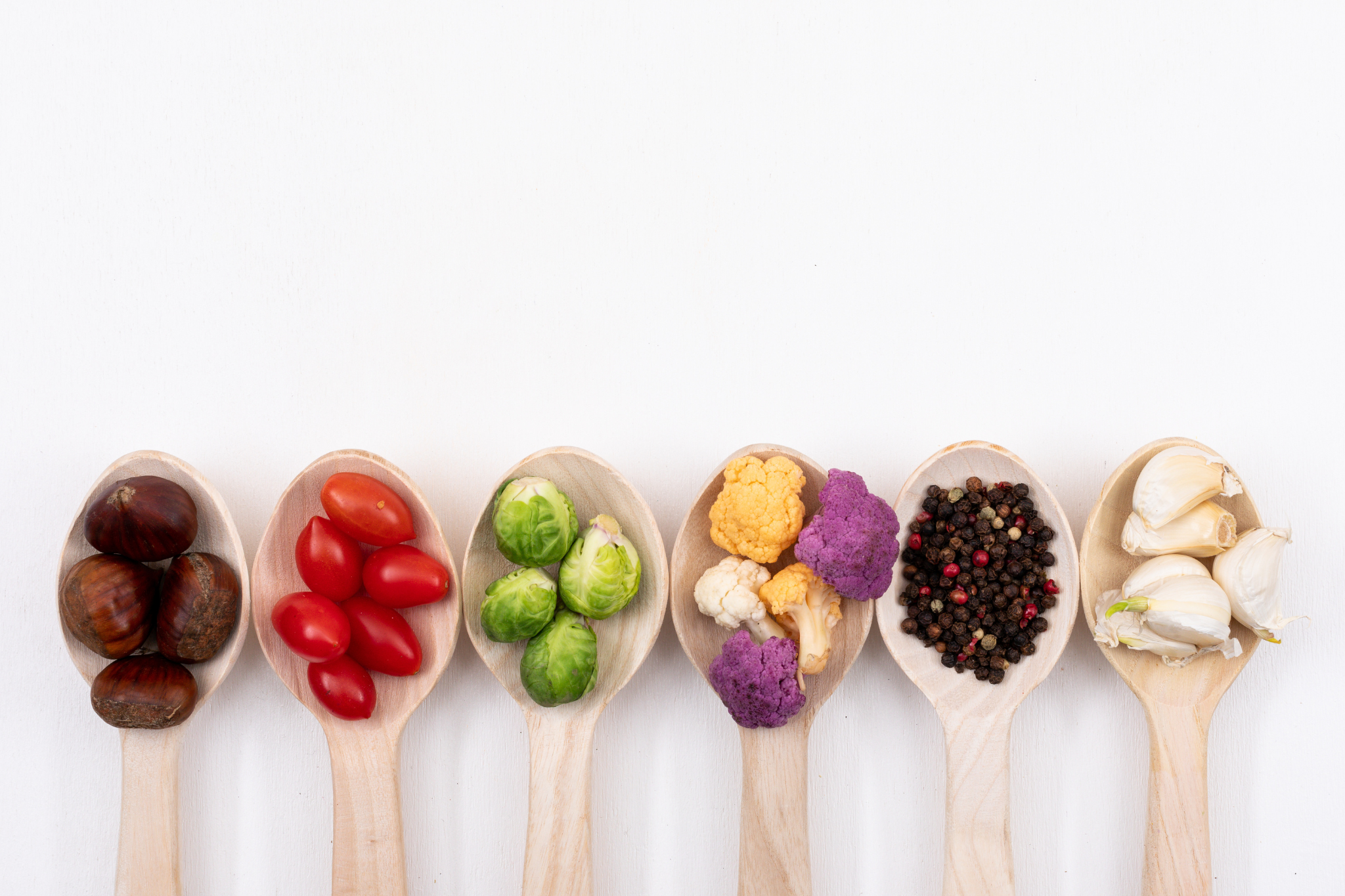
The word antioxidant appears everywhere from supplement labels and food packaging to skincare products and wellness articles. But what exactly are antioxidants?
Antioxidants are molecules that can neutralize cell-damaging, unstable compounds in the body. They are part of the body’s natural system for keeping certain reactive molecules like free radicals in balance. When free radical levels in the body become elevated, they can cause harm. They’ve been linked to illnesses including cancer, diabetes, and heart disease.
Damaging by nature, these incomplete molecules are inescapable since they are produced during normal biological processes, including energy production and immune activity. Yet they are not automatically harmful, the body has its own systems for managing them: Antioxidant defenses help keep free radicals under control.
Antioxidants can also be found in food, especially in fruits, vegetables, and other plant-based, whole foods. Vitamins C and E are powerful antioxidants. Minerals like copper, zinc, and selenium also serve as antioxidants. Understanding antioxidants is less about finding a single super nutrient and more about understanding the balance of processes that take place inside the body, as well as the importance of a healthy diet.
Oxidation: A Normal Part of Life
Free radicals are the primary drivers of oxidation inside the body. Oxidation is a normal chemical process that occurs both in the world around us and within the body. A familiar example is a freshly cut apple which gradually turns brown when exposed to air. Although the chemistry of oxidation occurring in the human body is far more complex, the familiar browning of an apple provides a useful visual for understanding oxidation.
In and of itself, oxidation is not necessarily harmful. It occurs as part of everyday biological activity, physical activity, and environmental contact. The body has natural mechanisms that help regulate the resulting reactive molecules and maintain balance. When the production of reactive substances becomes greater than the body’s ability to manage them, oxidative stress can occur.
Free Radicals: Friend, Foe or Somewhere in Between?
Free radicals are highly reactive molecules that can interact with other molecules in the body including proteins, fats and DNA. Some are produced naturally as cells conduct normal metabolic processes, while their production can also increase under certain circumstances like intense physical activity or exposure to environmental factors like pollution, toxins, tobacco smoke and ultraviolet radiation.
A diet high in sugar, processed meats, and foods deep-fried in cooking oils activates oxidation, as do alcohol and drug abuse. Poor sleep and elevated mental stress levels also weaken the body’s natural defenses.
However, free radicals are not simply bad molecules. Some have useful biological roles including cellular communication, immune defense and supporting healthy blood vessel function. Concern arises when reactive molecules become excessive or remain out of balance for an extended period. Left unregulated, free radicals can damage cells and tissue. The body therefore relies on a network of natural defenses to help manage them.
Examples of free radicals include the superoxide radical (O₂•⁻) which is naturally produced during the process of cellular energy production. The extremely reactive hydroxyl radical (•OH) can interact with proteins, lipids and DNA. A signaling molecule involved in processes such as blood vessel function and immune communication, the nitric oxide radical (NO•), has important physiological roles, although technically, it is also a free radical.
The takeaway is simple: free radicals are essential to normal biological function. The objective is not total eradication but supporting healthy cellular homeostasis.
Antioxidants at Work: Supporting Cellular Balance
Antioxidants are part of the vitally important balancing system that supports the protection of cells from oxidative stress. Some antioxidants can interact directly with reactive molecules, while antioxidant enzymes help convert reactive substances into less reactive forms. This system helps the body manage oxidative processes, reducing their impact on cellular structures and maintaining cellular balance.
Free radicals lack an electron, which makes them unstable and reactive. To feel safe and complete, they steal electrons from healthy cells, damaging them in the process. Cells that have been robbed of an electron in turn, become free radicals. Antioxidants save the day by giving up some of their own electrons to neutralize free radicals, preventing them from adversely affecting other cells in the body.
The body produces antioxidants like superoxide dismutase and catalase, along with glutathione-based systems. Studies emphasize that higher antioxidant intake is not necessarily beneficial. According to the National Center for Complementary and Integrative Health, excessive amounts can interfere with vital cellular processes. Additionally, because antioxidants have unique chemical properties, they are not interchangeable.
Oxidative Stress: When Reactive Molecules Get Out of Balance
Oxidative stress refers to an imbalance between the production of reactive molecules and the body’s ability to remove or manage them. The body is continually working to regulate these processes through a coordinated network of antioxidant defenses.
When there are too many unstable free radicals in the body and antioxidants can’t keep them in check, the internal imbalance is referred to as oxidative stress. The multiplying free radicals continue their theft of electrons from healthy cells, triggering a destructive chain reaction that causes cellular decay, inflammation, and premature aging.
This is not to be confused with the temporary increase in reactive molecules resulting from normal daily activities. Exercise, for example, can momentarily increase the production of reactive molecules. At the same time, physical activity encourages the body to adapt and strengthen aspects of its natural defense systems. This is one reason it is useful to think about oxidative stress as a dynamic biological process rather than something that is simply good or bad.
Antioxidants on Your Plate
While the body produces its own antioxidant networks, food is another way to obtain antioxidants, along with other nutrients and compounds. Two of the best-known dietary antioxidants are vitamins C and E. Vitamin C is water-soluble; it patrols the watery areas inside and outside cells. Vitamin E is fat-soluble, making it especially important in lipid-rich spaces where it protects cell membranes.
Plant-based foods provide a wide variety of naturally occurring compounds, including polyphenols, flavonoids, carotenoids and curcuminoids. These compounds have been studied for their beneficial antioxidant activity as well as for other biological roles. Antioxidant compounds can be found in a wide range of foods including citrus fruits, berries, leafy vegetables like spinach, olives and extra-virgin olive oil, herbs, spices, tea, nuts, seeds, and even dark chocolate.
Rather than focusing on a single best antioxidant food, consuming a variety is a more practical approach. A diet of whole foods provides different combinations of nutrients and naturally occurring antioxidant compounds along with fiber, minerals, healthy fats, and other nutrients to support overall nutrition.
When Food Isn’t the Whole Story
Some antioxidants like vitamin C, vitamin E, and beta-carotene are also available as supplements. Antioxidant supplements can provide specific nutrients or standardized plant extracts in measured amounts. They may be useful in certain circumstances, but they should not be viewed as a replacement for a healthy diet and good daily wellness habits.
Research on antioxidant supplements has produced mixed findings depending on the antioxidant, dose and health outcome being studied. Importantly, antioxidant supplements have not been consistently shown to prevent chronic diseases. In certain situations, high doses may even be harmful.
For that reason, supplements are best considered as nutritional support during periods of deficiencies, and under the guidance of a qualified healthcare professional.
Daily Habits That Support Antioxidant Balance
Supporting the body’s natural antioxidant systems does not require complicated routines or extreme approaches. Simple habits can provide a solid foundation.
Be sure to eat a varied diet that includes plenty of plant-based foods. Include a range of colorful fruits and vegetables in your diet. Stay physically active. Get enough quality sleep. Avoid smoking. Reduce unnecessary exposure to environmental stressors whenever possible. Consider supplements thoughtfully and discuss them with a healthcare professional.
These habits are not about detoxing the body or eliminating every free radical. They are about supporting the body’s existing systems and maintaining a healthy balance.
The Big Picture on Antioxidants
Antioxidants are not a single ingredient, quick-fix, fleeting wellness trend, but critical players in a complex biological network that manages the daily effects of metabolism, exercise, and environmental stressors. Instead of trying to completely wipe out free radicals, the goal is to support the body’s natural rhythms.
While our bodies produce internal defenses, a vibrant, nutrient-dense diet offers the ultimate reinforcement. Supplements can be valuable tools to help fill specific gaps during times of vitamin deficiency, but more is not inherently better. Viewing antioxidants through this broader lens allows us to see past the marketing hype and make nutritional and lifestyle choices rooted in true biological balance.
References
National Center for Complementary and Integrative Health. “Antioxidant Supplements: What You Need To Know.” National Institutes of Health, 2023. NCCIH source.

Sies, Helmut, Carsten Berndt and Dean P. Jones. “Oxidative Stress.” Annual Review of Biochemistry, 2017, vol. 86, pp. 715-748. doi:10.1146/annurev-biochem-061516-045037.

Sies, Helmut, and Dean P. Jones. “Reactive Oxygen Species (ROS) as Pleiotropic Physiological Signaling Agents.” Nature Reviews Molecular Cell Biology, 2020, vol. 21, no. 7, pp. 363-383. doi:10.1038/s41580-020-0230-3.
Disclaimer
The information provided in this article is for educational and informational purposes only and is not intended as medical advice, diagnosis or treatment. It should not be used as a substitute for professional health care guidance.
Before making significant changes to your diet, supplement routine or lifestyle – particularly if you have a medical condition, take medication, are pregnant or are breastfeeding – consult a qualified healthcare professional.
Recent Posts
- Citrus Bioflavonoids: What They Are and What They Do
- Hidden Hunger: What Nutrient Deficiencies Really Look Like Today
- Pushing the Limits: How Intense Exercise Affects the Immune System and Recovery
- More Than a Bottled Promise: How Dietary Supplements Fit into Real-Life Wellness
- Beyond the Buzzword: Understanding Antioxidants