
- Personal Wellbeing
Pushing the Limits: How Intense Exercise Affects the Immune System and Recovery
- By Patrizia Winsper
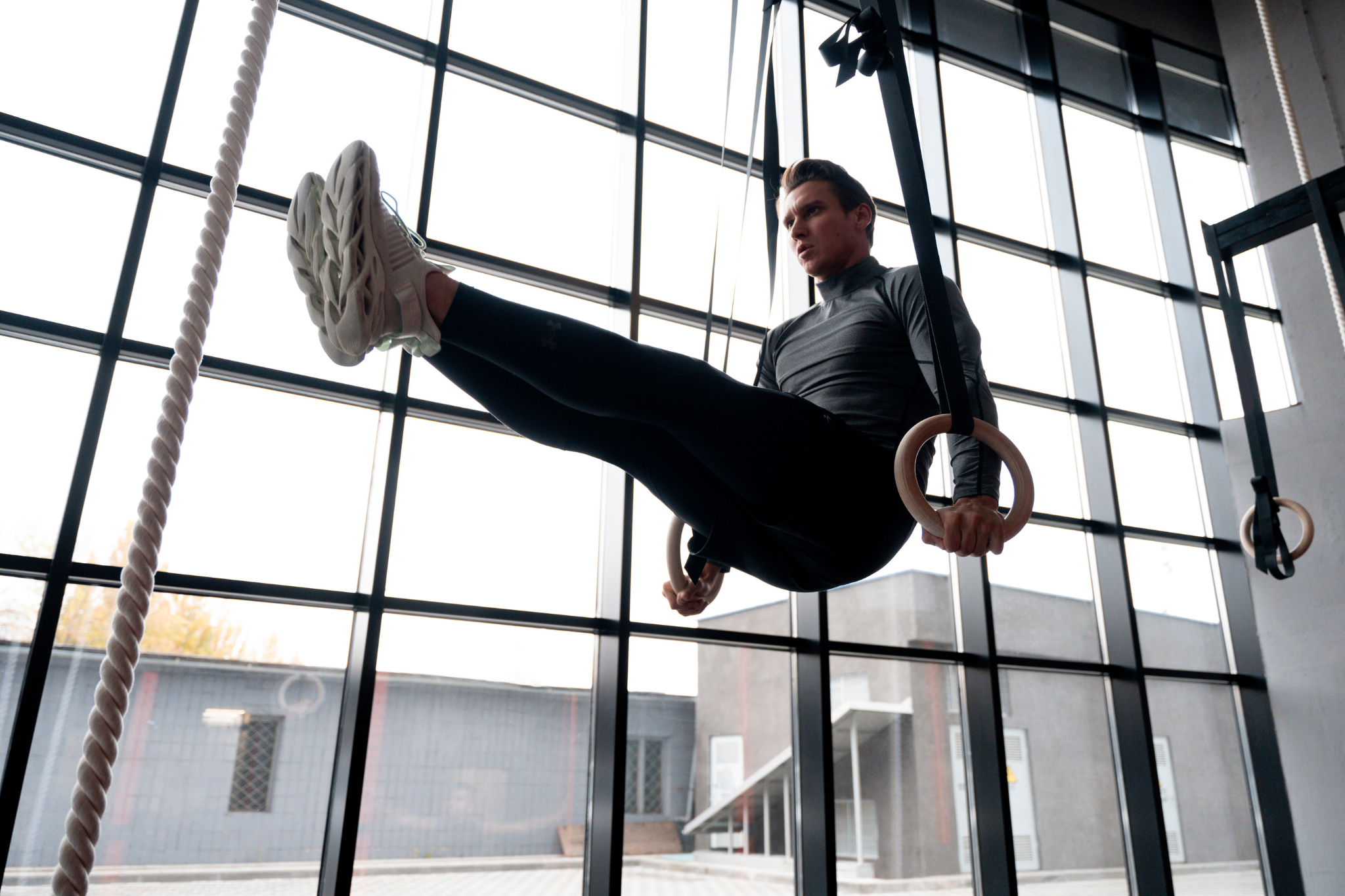
Regular physical activity and exertion are known to be instrumental in contributing to a healthy lifestyle and normal immune function. However, prolonged endurance events, particularly demanding training sessions or multiple challenging workouts completed in rapid succession place the body under a decidedly different type of stress.
During these prolonged efforts, the immune system must momentarily shift its focus and alter its activities as the body toils to manage heat regulation, energy use, an increase in heart rate, circulation, muscle stress and tissue repair. This temporary shift in immune function sheds a light on why immune support is such a prominently recurring theme in discussions about post-exercise recovery.
Ideally, physical recovery from exercise is a combination of the natural workings of our immune system activity enhanced by providing our bodies with all that is needed to restore balance between sessions.
More Than Muscle Work
Exercise creates a beneficial physiological challenge that leads to adaptation and increased strength. The scale of a challenge depends on the duration and intensity of the workout, as well as on the fitness level of the individual who is performing the exercise. A steady-paced walk and a long running race are both forms of physical activity, yet they create very different demands on the body.
During the temporary stress of prolonged or intense exercise, adrenaline, cortisol and other stress signals help with the resulting release of fuel, increased heart rate and blood being directed towards working muscles. At the same time, immune cells move rapidly through the circulatory system. While some immune cell numbers rise during exercise, others fall below their usual blood count levels for a time post-workout.
Past the “Open Window”: Immune Cells on the Move
Historically, the period after strenuous exercise was described by scientists as an “open window” during which immune defenses were temporarily suppressed.
However, modern exercise immunology shows that immune cells are in fact moving to the front lines to better protect us. The lymphocytes (T cells, B cells, and natural killer cells) haven’t been destroyed as was previously believed. Instead, the physical stress of intense exercise triggers them to leave the bloodstream and move into the lungs and gut, which are the areas of highest risk. Since challenging workouts increase the breathing rate and put stress on the digestive tract, these are precisely the zones where one is most likely to find inhaled or ingested pathogens.
Hence, a blood sample revealing a lower number of lymphocytes after exercise essentially reflects their redistribution in the body rather than a loss of immune protection. It is a normal physiological response for immune cells to move between the bloodstream and tissues.
Similarly, healing microscopic tears that occur in connective tissue and muscle fibers during exercise demands an immediate immune response. Neutrophils and monocytes, white blood cells that act as the body’s primary defense against germs and tissue damage, swoop into stressed and damaged muscle tissues to initiate an inflammatory process that removes cellular debris and activates muscle repair. Their levels in blood tests may change, but they remain an active and vital part of recovery.
The apparent drop in blood-borne immune cells after a heavy workout is not a sign of weakness. Rather, it should be viewed as a strategic redeployment of the body’s defenses.
A Varied Diet Does the Heavy Lifting
Just as our mothers have always warned, it turns out to be true that a well-balanced diet remains the key to proper immune support.
Carbohydrate availability is essential during demanding workout sessions as exercising with low stores of fuel can increase the body’s physiological stress response. After prolonged exercise the body must replenish fluids and electrolytes, restore carbohydrates and the amino acids necessary for tissue repair.
Sleep is equally important. A demanding training schedule combined with short or disrupted sleep patterns adds an added layer of stress while the body is working to recover. Gradual increments in training load and paying attention to signs of persistent fatigue are all part of proper immune system maintenance in addition to a properly fuelled body.
Heavy physical training yields the best results when accompanied by recovery comprising proper rest and nutritional intake, adequate sleep, the avoidance of travel, psychological stress, and exposure to illnesses if possible. Together, these are the best practices to adopt in order to strengthen the body’s robust natural defense mechanisms.
Genetics and Exercise: Adding Another Layer of Context
Responses to strenuous exercise may vary from person to person. Factors like an individual’s current fitness level, training history, sleep habits, daily diet, environment exposure and genetics can all play a role in influencing how demanding a workout session may feel to someone or how quickly one can feel ready to train again.
By evaluating specific genetic variants linked to physical exertion and cellular health, the MAGISNAT DNA Wellness Test provides educational information about selected genetic variants studied in relation to exercise and recovery. These insights may help you tailor your diet and exercise habits to better complement muscle recovery and general immune system wellbeing.
The Sport and Fitness Insights Report explores selected genetic markers associated with exercise response, recovery patterns, oxidative balance and physical resilience.
The Longevity and Immune Insights Report analyzes selected genetic markers studied in relation to antioxidant pathways, cellular defense, immune-related processes and nutrient metabolism.
These DNA reports do not measure or determine immune strength. They cannot diagnose or cure any immunity issues or predict whether someone will become ill from exercising. Their value lies in adding helpful context to the wider picture of personal factors like training load, food intake, sleep habits, health history and other individual circumstances.
Recovery From the Inside Out
While supplements can provide measured amounts of specific nutrients when needed, they cannot be expected to compensate for poor nutritional habits, chronic dehydration, limited dietary variety or inadequate rest. The role of dietary supplements is to complement a well-planned and healthy recovery routine, not to replace it.
Designed to offer comprehensive nutritional support within the broader scope of physical recovery, Dr. Matteo Bertelli’s Recovery Complex delivers an intentional blend of essential nutrients. Each serving combines vitamins C, D, E, B-complex, magnesium, and potassium with a specialized dry olive extract calibrated to provide a guaranteed concentration of the active antioxidant, oleuropein.
This formula strategically targets key biological systems. Vitamins C and D play a role in natural immune health, while vitamins C and E help protect cells from daily antioxidant demands. To keep your body moving efficiently, magnesium and B-complex vitamins assist with daily energy metabolism, while potassium and magnesium maintain optimal muscle function. Completing the blend is oleuropein, a plant polyphenol renowned for its robust antioxidant activity.
True physical resilience is built on a complete lifestyle strategy. Balanced nutrition, proper hydration, deep sleep, and structured training remain the essential pillars of your daily routine. Dr. Matteo Bertelli’s Recovery Complex is designed to seamlessly integrate into this regimen—offering a precise, calculated way to elevate your foundational habits when your body demands targeted nutritional reinforcement.
The Other Half of Training Is Recovery
Feeling tired after a demanding event does not necessarily mean that the immune system is compromised or failing. More accurately, fatigue is a normal, healthy indicator that your body has expended significant energy and is actively working to repair, adapt, and rebuild itself. Training builds resilience when challenge is followed by recovery. Respecting both sides of that equation is the most realistic way to improve performance, wellbeing and long-term consistency.
True athletic longevity is about respecting your body’s natural biological timelines and giving it the structured assistance it needs to return to peak performance day after day. The goal isn’t to avoid physical stress, but to balance challenge with recovery. Understanding how exercise, lifestyle and genetics may contribute to individual differences can provide useful context, but lasting performance is built on thoughtful training, adequate recovery and consistently healthy habits.
References
Peake, Jonathan M.; Neubauer, Oliver; Walsh, Neil P.; and Simpson, Richard J. “Recovery of the Immune System After Exercise.” Journal of Applied Physiology, 2017, 122(5), 1077-1087. doi:10.1152/japplphysiol.00622.2016.

Walsh, Neil P. “Nutrition and Athlete Immune Health: New Perspectives on an Old Paradigm.” Sports Medicine, 2019, 49(Suppl. 2), 153-168. doi:10.1007/s40279-019-01160-3.

Sgobba, Christa. "Does Exercise Actually Help or Hurt Your Immune System?" SELF, April 15, 2020.

McEver, Rod. "Bodywork: Does Strenuous Exercise Leave Us Prone to Illness?" Oklahoma Medical Research Foundation, Feb. 1, 2022.
Disclaimer
This article provides general educational and wellness information only. It is not medical advice and is not intended to diagnose, treat, cure, mitigate, monitor, screen for, predict, assess the risk of, or prevent any disease, disorder, syndrome, deficiency, symptom, or medical condition. Always consult a qualified healthcare professional before making health-related decisions, changing diet, lifestyle, supplement use, medication, or medical care.
The MAGISNAT DNA Wellness Test provides non-diagnostic wellness information about selected genetic variants. It does not measure immune function, predict infection, disease, or provide medical genetic testing. MAGISNAT general wellness tests are intended for general wellness and educational information only. They are not medical tests and are not intended to diagnose, treat, cure, mitigate, monitor, screen for, predict, assess the risk of, or prevent any disease, disorder, syndrome, deficiency, symptom, or medical condition. The information provided should not be used for medical decisions, treatment decisions, medication decisions, dietary therapy, supplement selection, or as a substitute for advice from a qualified healthcare professional.
Dietary supplements should not be used as a substitute for a varied and balanced diet, a healthy lifestyle, prescribed medication or appropriate recovery practices. The statements made about dietary supplements in this article have not been evaluated by the Food and Drug Administration. This product is not intended to diagnose, treat, cure, or prevent any disease.
Before making changes to your diet, supplement routine or exercise regime – particularly if you have a medical condition, take medication, are pregnant or are breastfeeding – consult a qualified healthcare professional.
Recent Posts
- Citrus Bioflavonoids: What They Are and What They Do
- Hidden Hunger: What Nutrient Deficiencies Really Look Like Today
- Pushing the Limits: How Intense Exercise Affects the Immune System and Recovery
- More Than a Bottled Promise: How Dietary Supplements Fit into Real-Life Wellness
- Beyond the Buzzword: Understanding Antioxidants